How Much Do Egg Donors Get Paid in South Africa?
Many women ask, how much do egg donors get paid in South Africa? Egg donors may receive compensation for the time, effort and commitment involved in a completed donation cycle. At VEDA, compensation generally falls between R10 000-R12 000 range, with transport support where applicable.
Do You Get Paid to Donate Eggs?
Yes, egg donors may receive compensation for the time, effort and commitment involved in completing an egg donation cycle.
While many women search how much do egg donors get paid in South Africa, it is important to understand that compensation is not payment for eggs themselves. Egg donation is considered an altruistic act, and compensation acknowledges the medical appointments, screening, travel, and participation involved in the process.
At VEDA, compensation generally falls between the R10 000- R12 000 range for a completed donation cycle, with transport support where applicable.
What Does Egg Donor Compensation Cover?
Egg donor compensation recognises the practical commitments involved in donation, which may include:
- Medical screening appointments
- Fertility assessments and scans
- Time involved in the treatment process
- Travel-related costs where applicable
- Participation through egg retrieval
Compensation may vary depending on the treatment process and individual circumstances.

Why Do Women Become Egg Donors?
Women choose to become egg donors for many different reasons.
For some, it is the opportunity to help someone struggling with infertility build a family. For others, it is a meaningful act of generosity combined with compensation for the time required.
Many VEDA donors tell us they are motivated by both compassion and purpose.
Common reasons women choose to donate eggs include:
Helping intended parents have a child
Supporting families affected by infertility
Making a life-changing difference
Receiving compensation for their time and commitment
Who Can Become an Egg Donor?
Women interested in becoming an egg donor with VEDA must meet certain medical and ethical criteria designed to protect donor wellbeing and support the best outcomes for intended parents.
You may be eligible to become an egg donor in South Africa if you are:
Age & Health Requirements
- Between 18 and 32 years old
- In good physical and reproductive health
- Have a healthy BMI between 18 and 30
- Free from significant hereditary medical conditions
Lifestyle Requirements
- A non-smoker
- Drug free, with no history of recreational drug abuse
- Able to attend approximately 4–6 appointments during a donation cycle
- Have reliable transport and reside in South Africa
Donor Profile Requirements
- Able to provide 4–6 childhood photographs (ages 0–9)
- Willing to undergo medical and psychological screening
- Comfortable participating in an anonymous donation process
Every egg donor application is assessed individually.

How Does the Egg Donation Process Work?
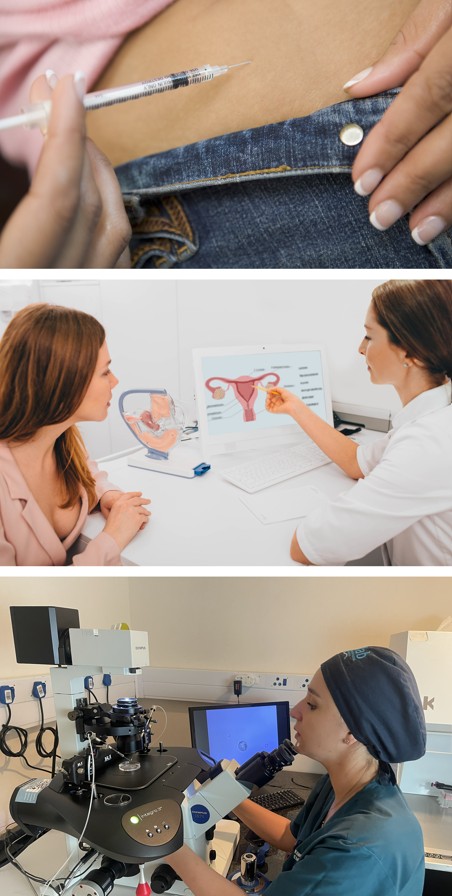
If you are considering becoming an egg donor, the process generally includes:
1. Online Application
Complete a confidential egg donor application, including your medical history, educational background and donor profile.
2. Clinical Screening
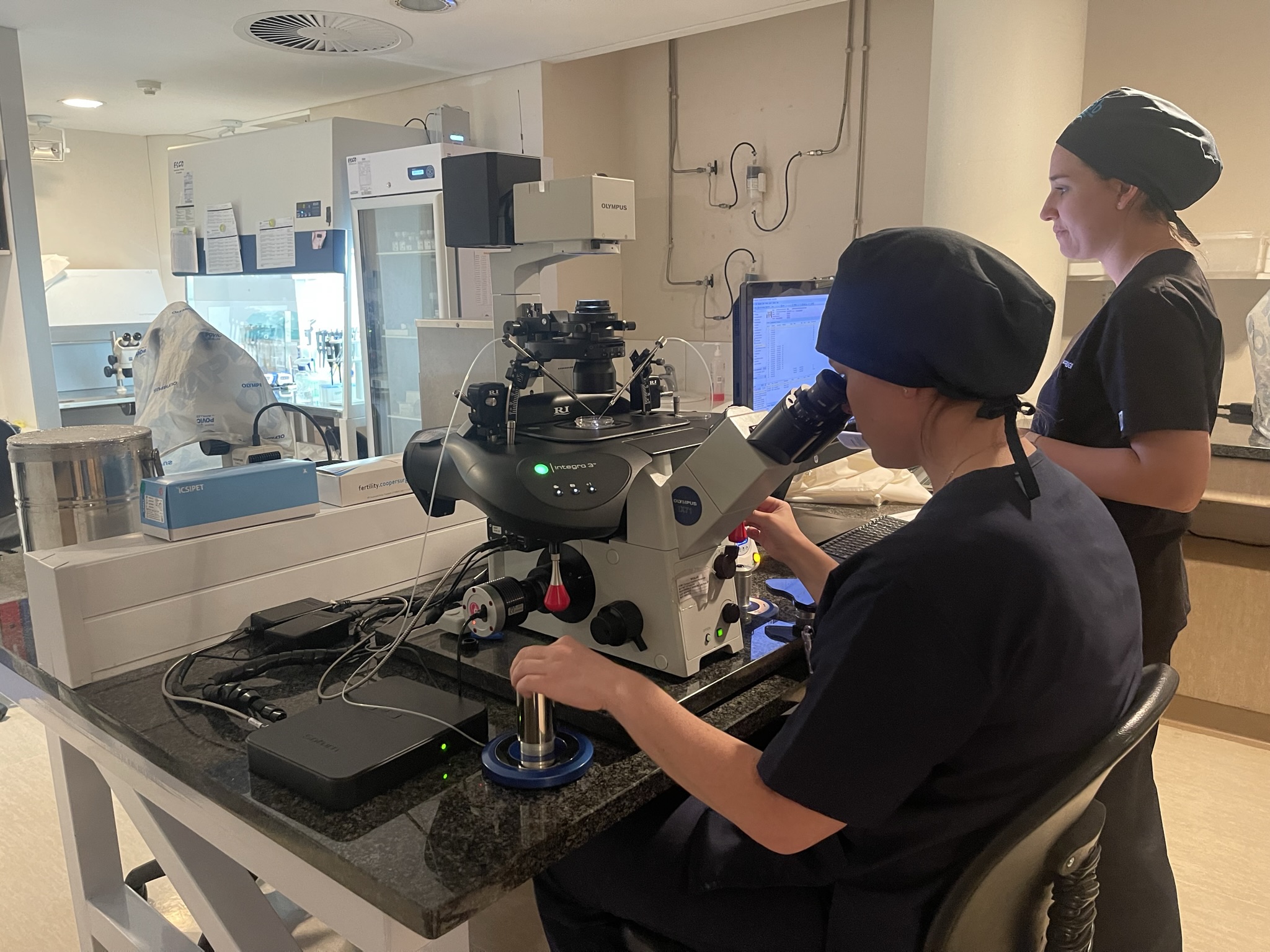
Selected applicants attend screening at Vitalab, which may include:
- Gynaecological examination
- Internal ultrasound scan
- Blood tests
- Genetic screening
- Psychological assessment
3. Donor Matching
Your anonymous profile may be presented to intended parents for matching.
Matching may be based on:
- Physical traits
- Heritage
- Recipient preferences
4. Cycle Stimulation
If matched, you begin a monitored donation cycle involving hormone medication and ultrasound tracking.
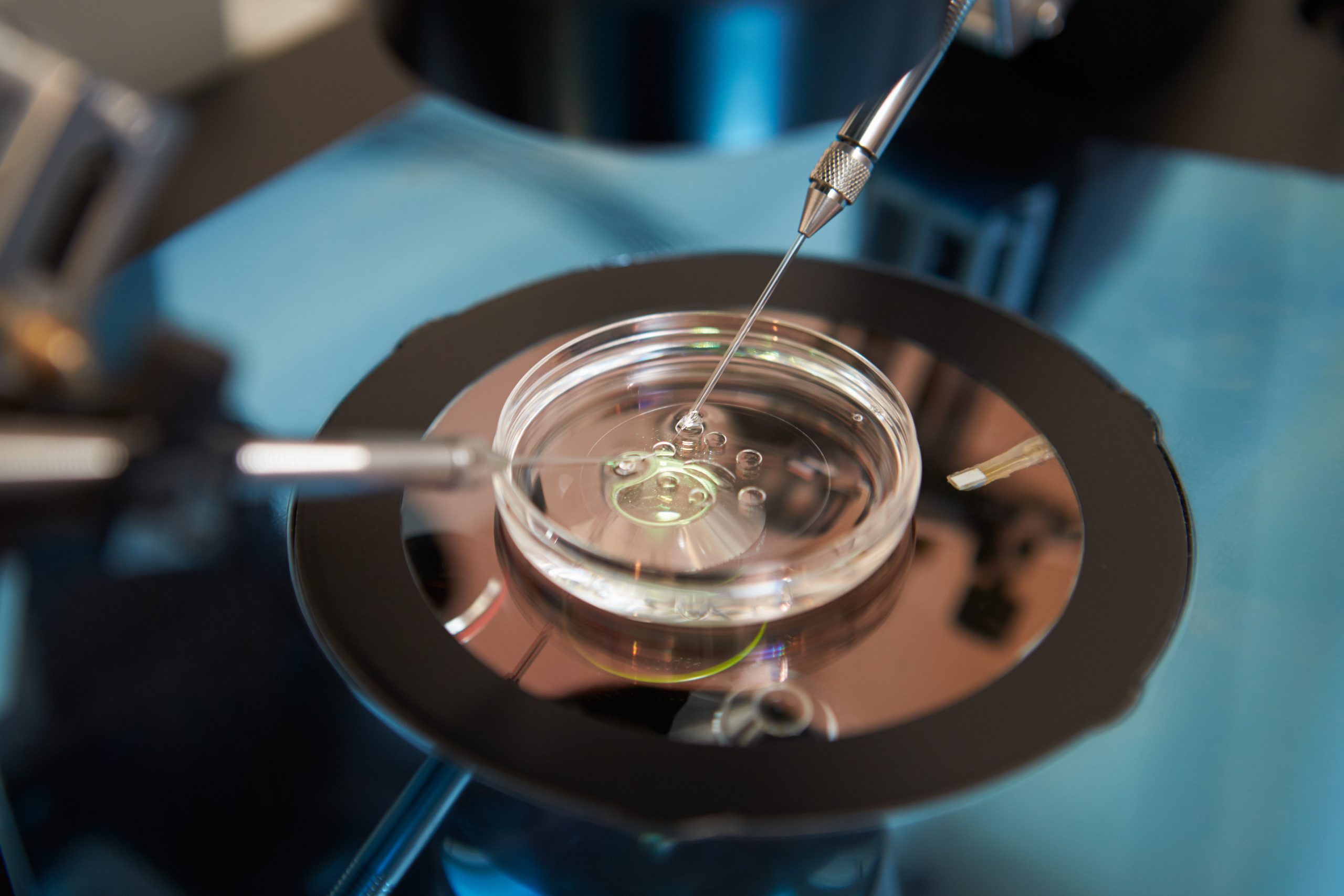
5. Egg Retrieval
Egg retrieval is a short procedure performed under conscious sedation.
- Takes approximately 20 minutes
- No cuts or stitches
- No visible scarring
- Same-day recovery
6. Compensation and Follow-Up
Following completion of retrieval, compensation is processed and post-retrieval follow-up is provided.

Can You Donate Eggs for Money?
This is a common search phrase – but it is more accurate to say donors receive compensation for time and effort, rather than “selling eggs.”
Egg donation is a regulated and ethical medical process, and compensation exists to acknowledge the donor’s participation.
How Many Times Can You Donate Eggs?
In South Africa, egg donors may donate until a maximum of six live births have resulted from their donations, in line with medical and ethical guidelines.
This limit exists to protect donors, recipients and any children born through donation.
The number of donation cycles a donor completes may vary, as one donation may result in more than one pregnancy or live birth. For this reason, eligibility for repeat donation is assessed individually and discussed with your clinical team.
At VEDA, donor wellbeing and ethical practice guide all decisions regarding repeat donation.
Is Egg Donation Safe?
Yes. Egg donation is a well-established medical procedure performed under specialist supervision.
Throughout the process, donors are monitored during:
- Hormonal stimulation
- Ultrasound tracking
- Egg retrieval
Your safety remains the priority at every stage.
Will Egg Donation Affect My Future Fertility?
No. Egg donation does not reduce your future ability to have children.
The eggs collected during donation are eggs your body would otherwise not use during a normal cycle.